Management Strategy:
Making Better Decisions for Organisational Success
Sometimes, a business decision may appear simple, but it can have a significant impact on profitability and customer satisfaction. A good example is a fried chicken shop owner trying to decide how many pieces of chicken should be included in a box for customers. Although this might seem like a straightforward decision, it involves several important management considerations, including price, cost, attractiveness and sales.
The fried chicken business: Finding the right balance
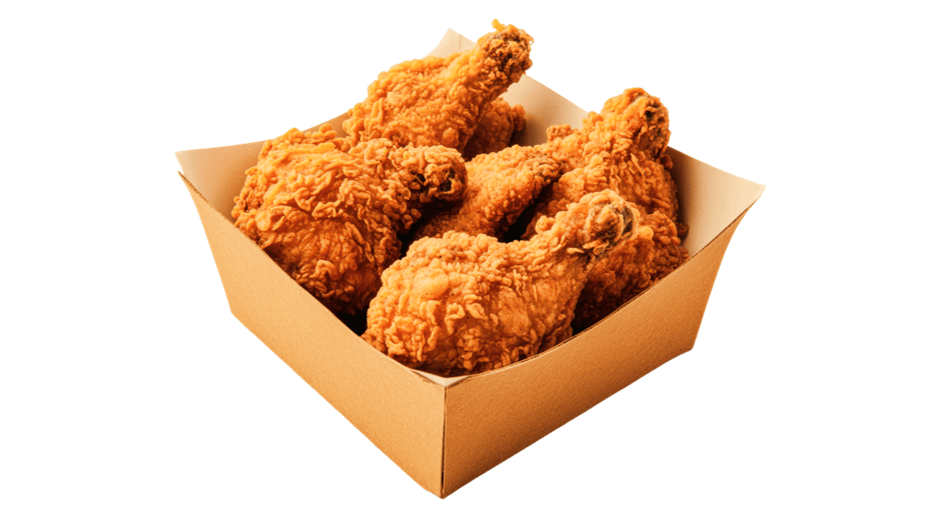
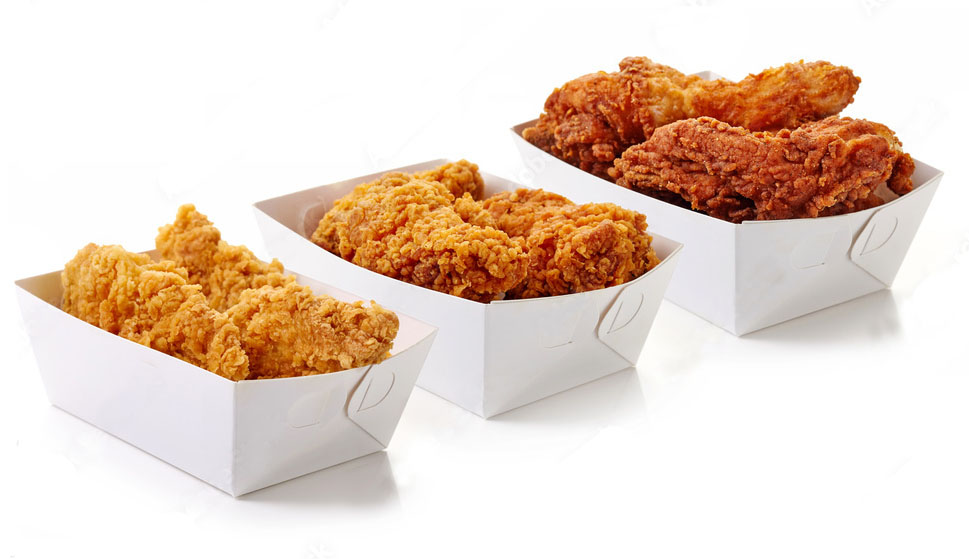
Imagine a business owner who sells fried chicken in boxes. They are trying to decide whether to offer customers a box containing two, three, four or five pieces of chicken.
The owner needs to consider the cost of producing each box, the price customers are willing to pay and how attractive the product looks to potential customers.
For example, a box containing two pieces of chicken might be relatively cheap to produce, allowing the business to charge a lower price. However, customers might consider this poor value for money, particularly if competing businesses offer larger portions. This could make the product less attractive and reduce sales.
On the other hand, a box containing five pieces of chicken might look more appealing because customers feel they are getting more for their money. However, the additional chicken increases the cost of ingredients, packaging and preparation. If the owner increases the selling price to cover these costs, customers might decide that the box is too expensive.
The owner therefore needs to find the right balance between the number of pieces, the selling price, the cost of production and customer expectations.
The owner could use management strategy to investigate this decision rather than simply guessing. They could:
Research customer preferences: Ask customers which box size they prefer and what they consider good value for money.
- Analyse competitors: Look at how many pieces other chicken shops offer and compare their prices.
- Calculate costs: Work out the cost of the chicken, packaging, cooking oil, labour and other expenses for each box size.
- Test different options: Introduce different box sizes for a trial period and monitor which sells best.
- Measure profitability: Compare the sales revenue with the total costs to establish which option generates the highest profit.
For example, consider the following fictional figures:
| Box size | Selling price | Total cost | Profit per box |
| 2 pieces | £4.00 | £2.20 | £1.80 |
| 3 pieces | £5.50 | £2.90 | £2.60 |
| 4 pieces | £7.00 | £3.70 | £3.30 |
| 5 pieces | £8.50 | £4.80 | £3.70 |
These figures show that the five-piece box generates the highest profit per sale. However, this does not automatically mean it is the best option.
The owner also needs to consider how many boxes they are likely to sell. For example, customers might be more willing to purchase a four-piece box at £7 than a five-piece box at £8.50. If the four-piece box sells significantly more often, it could generate greater overall profit.
This demonstrates an important principle of management strategy: the option with the highest selling price or profit per individual product is not necessarily the option that generates the greatest overall profit.
The attractiveness of a product is also important. Customers want to feel that they are receiving good value for money. A box that looks full, offers a suitable portion and is competitively priced may encourage repeat purchases and positive recommendations. Equally, a box that appears too small for its price may discourage customers, even if the business makes a good profit from each sale.
The business owner must therefore consider both financial performance and customer satisfaction before making a final decision.
Get Interactive Online Monitoring
Check Live status of latest reports and findings