Infrastructure Priorities for Rebuilding a Nation
Objective
The most successful nations build infrastructure in a deliberate hierarchy, prioritizing systems that protect life and enable economic activity before investing in higher-level services and amenities. The following framework ranks infrastructure investments from highest to lowest priority based on their impact on human welfare, economic development, employment, and long-term sustainability.
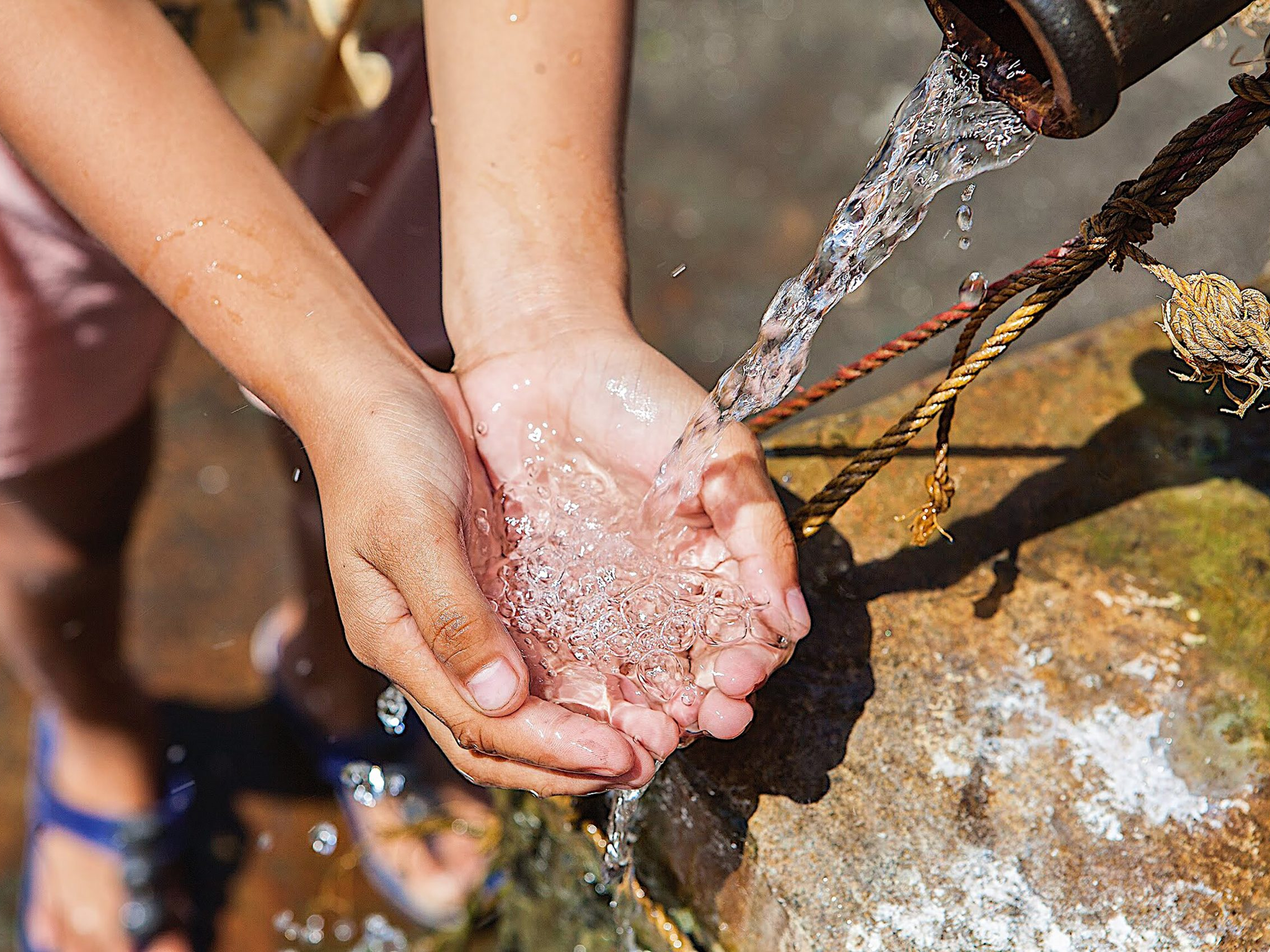
1. Water, Sanitation & Flood Protection
Highest Priority
- Clean drinking water systems
- Sewage and wastewater treatment
- Stormwater drainage
- Flood control infrastructure
Impact: Protects public health, reduces disease, and enables all other development.
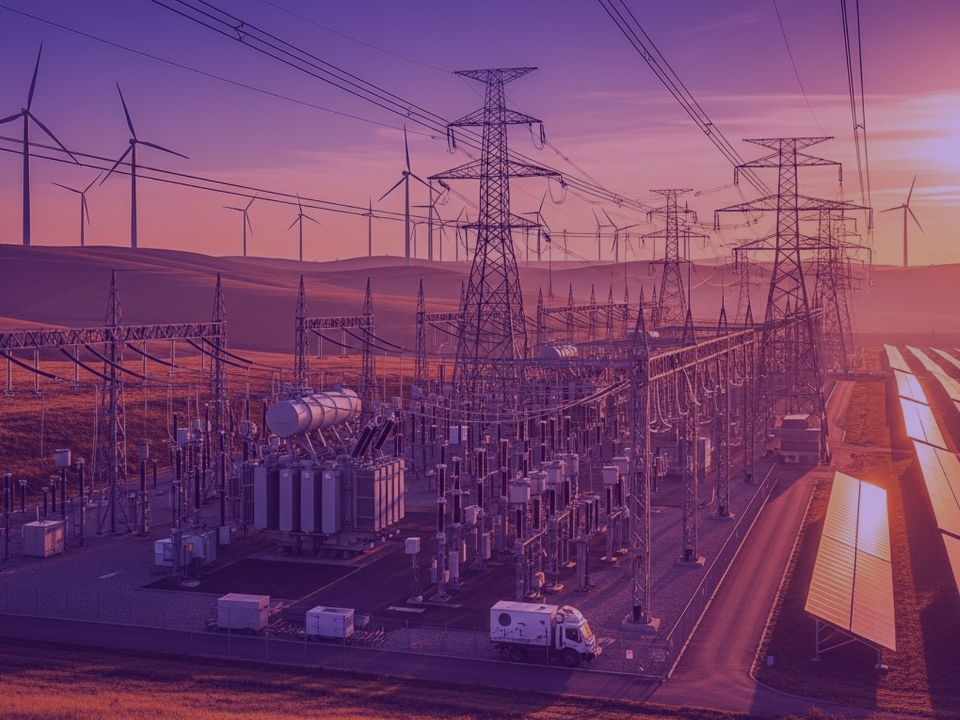
2. Energy Infrastructure
- Renewable energy generation (solar, wind, hydro, geothermal)
- National power grid
- Energy storage systems
Impact: Powers homes, businesses, healthcare, education, and industry.
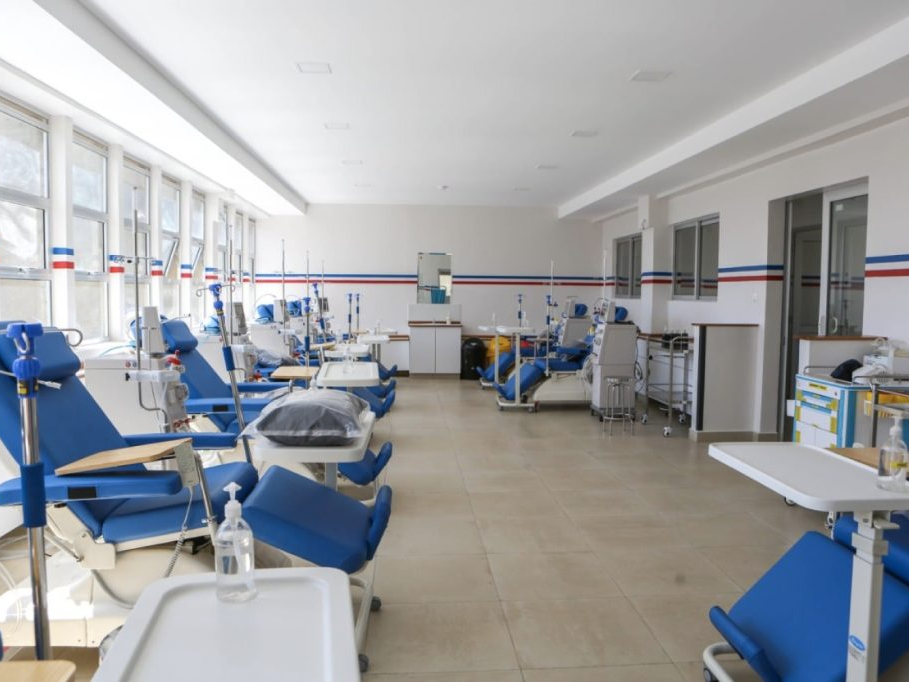
3. Healthcare Infrastructure
- Hospitals and clinics
- Emergency services
- Medical laboratories
Impact: Increases life expectancy and workforce productivity.
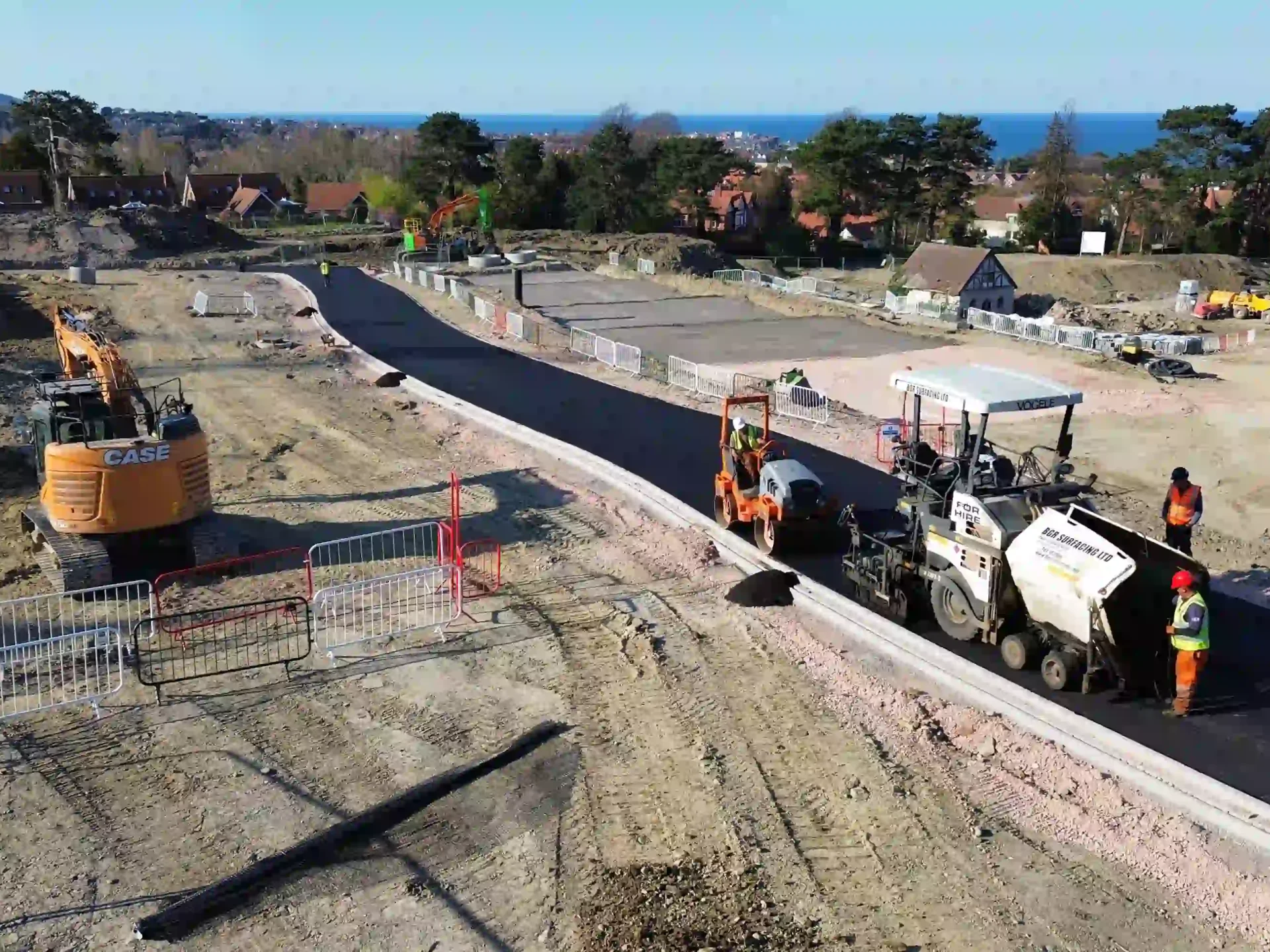
4. Transportation Networks
- Roads and highways
- Railways
- Public transit
- Ports and airports
Impact: Connects people, goods, jobs, and markets.
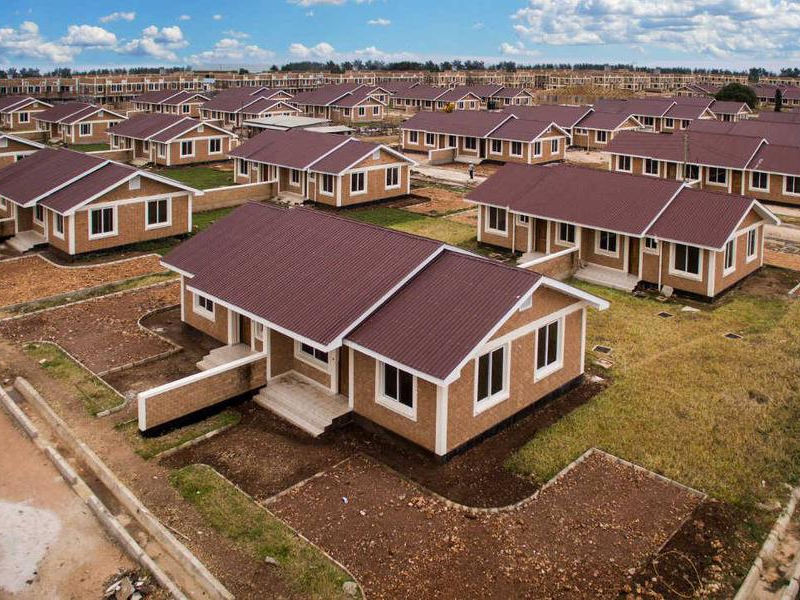
5. Housing & Urban Development
- Affordable housing
- Planned communities
- Utility connections
- Green spaces
Impact: Improves living standards and social stability.
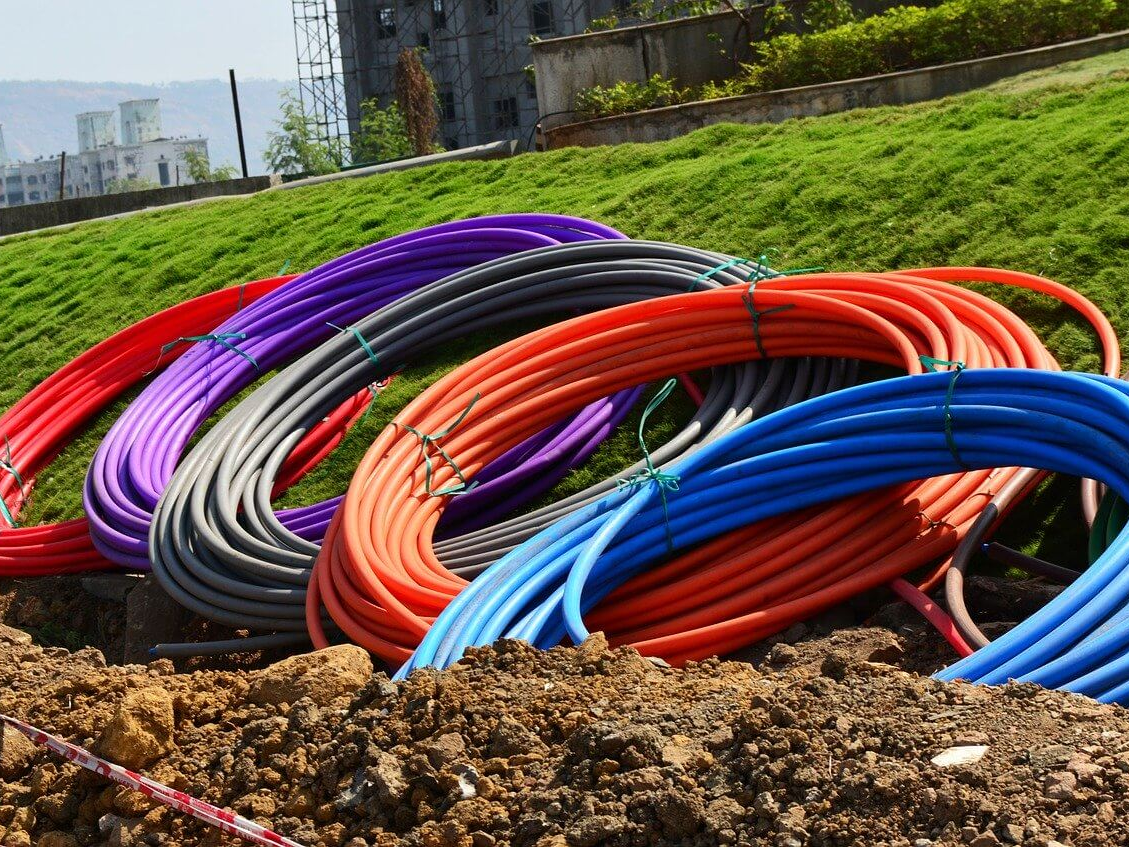
6. Digital Infrastructure
- High-speed internet
- Mobile networks
- Data centers
- Digital government services
Impact: Supports business, education, innovation, and remote work.
7. Education & Workforce Development
- Schools and universities
- Technical colleges
- Vocational training centers
Impact: Develops skilled workers and future leaders.
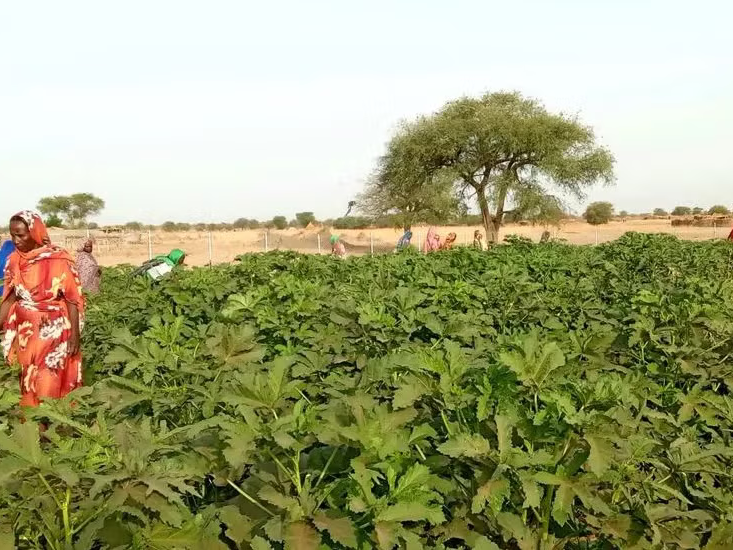
8. Agriculture & Food Security
- Irrigation systems
- Food storage facilities
- Agricultural research and support
Impact: Ensures food security and rural employment.
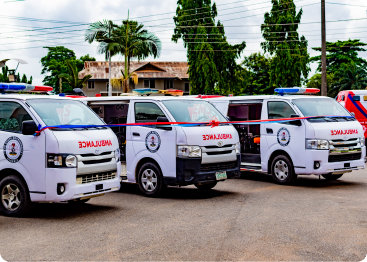
9. Public Safety & Emergency Services
- Police, fire, and rescue services
- Disaster response systems
- Emergency shelters
Impact: Creates a safe and resilient society.
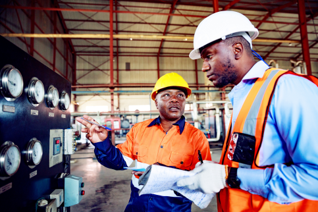
10. Industrial & Economic Development
- Manufacturing zones
- Logistics hubs
- Business parks
Impact: Creates jobs, exports, and economic growth.
11. Research & Innovation
- Research institutes
- Technology parks
- Startup incubators
Impact: Drives long-term competitiveness and innovation.
12. Quality of Life Infrastructure
- Parks and recreation
- Cultural institutions
- Sports facilities
- Tourism development
Impact: Enhances wellbeing, national identity, and attractiveness.
Guiding Principles
Every infrastructure project should be:
- Sustainable – low carbon, resource-efficient, environmentally responsible.
- Resilient – able to withstand disasters and climate change.
- Inclusive – accessible to all citizens.
- Job-Creating – prioritizing local employment and skills development.
- Future-Focused – planned for population growth and technological advancement.
Recommended Development Sequence
- Water & Sanitation
- Energy
- Healthcare
- Transportation
- Housing
- Digital Infrastructure
- Education
- Agriculture
- Public Safety
- Industry
- Innovation
- Quality of Life Amenities
Core Principle
A nation succeeds when it first secures the essentials of life, then builds the foundations of economic growth, and finally invests in innovation and quality of life.
PURCHASE ONLINE
Choose you field and get started using our latest tools